Office open from 8:00AM to 4:30PM



During a Saskatchewan winter seeing frost in your attic might seem like a normal result of freezing temperatures. But while cold weather is certainly part of the equation, significant or recurring frost in your attic can be a warning sign of excess moisture.
Warm, humid air from inside your home can make its way into the attic through gaps around lighting fixtures, plumbing penetrations, attic hatches, ductwork, and other openings. When that warm air reaches the cold surface of an unheated attic, moisture can condense and freeze, leading to future water damage when it melts.
If you've noticed frost appearing in your attic, the frost itself may be only the visible part of a larger moisture problem.
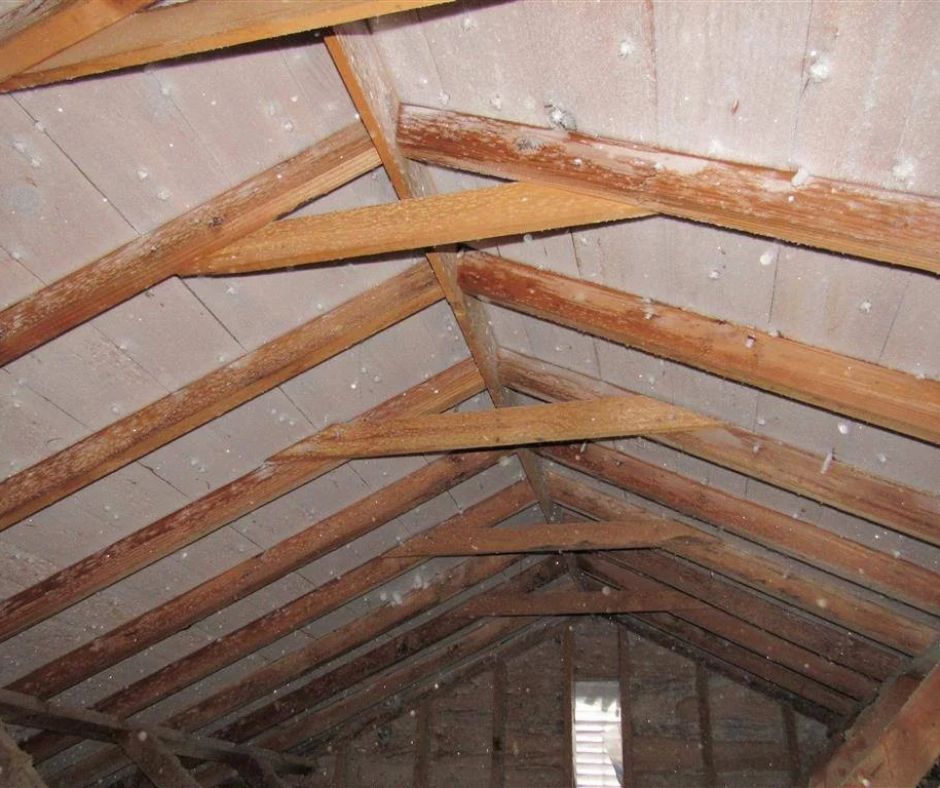
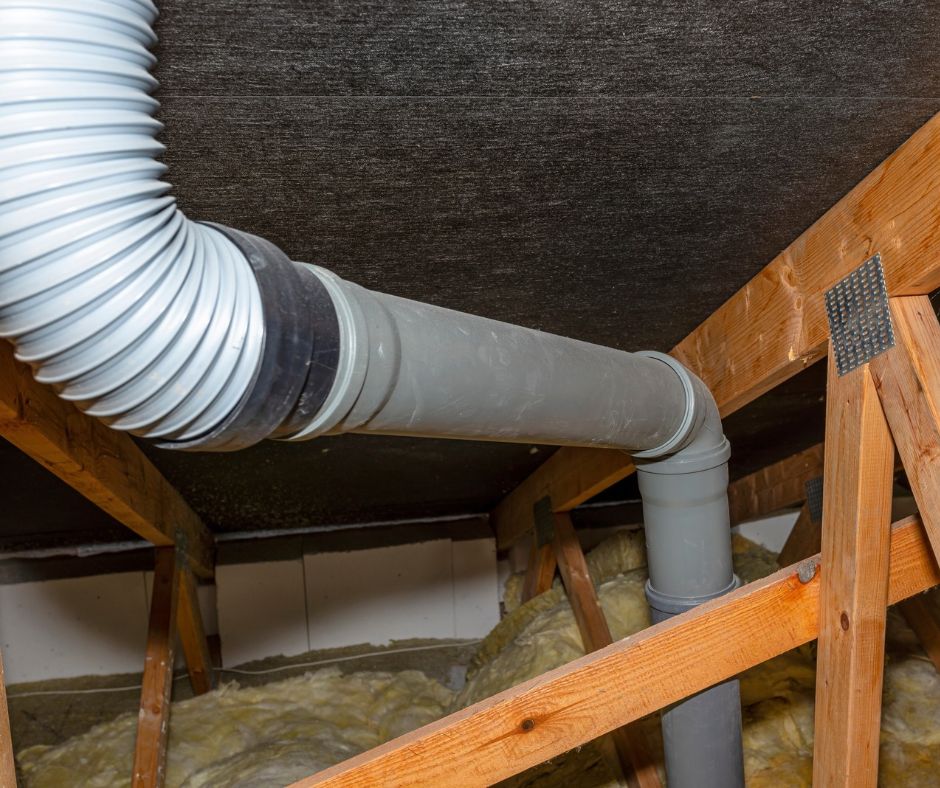
Everyday activities can add moisture to indoor air. Cooking, showering, bathing, drying clothes, and even breathing all contribute water vapour to the home, that normally stays within the living space. But warm air can escape through small openings in your ceiling into your attic.
Attic frost generally develops when wam, moisture-filled air reaches cold attic surfaces. Some common causes include:
01
Air Leaks
02
Bathroom Fans Venting into the Attic
03
Poor Ventilation
04
Insulation Issues

Frost on the underside of your roof or around nails is often the most obvious signs, but not the only ones! Be on the lookout for:
01
Wet or Damp Insulation
02
Musty Odours
03
Water Stains on Ceilings
04
Dark or Discoloured Areas
05
Heavy Condensation
06
Recurring Problems Every Winter
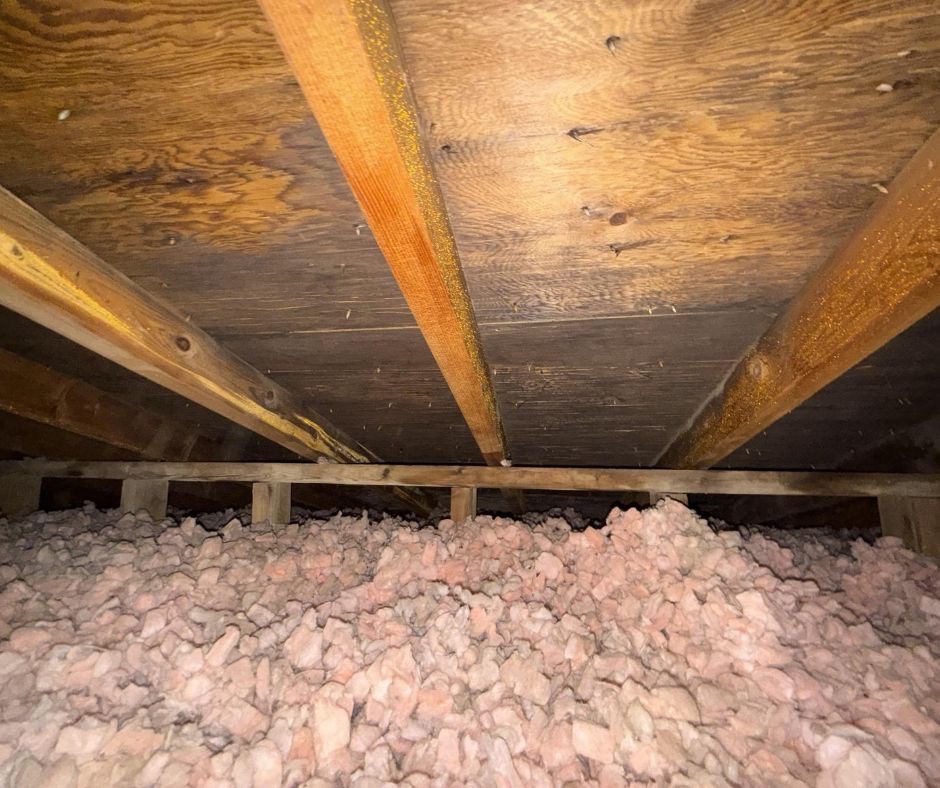
A little frost might not seem like a big deal at first, but when it starts to melt is when bigger issues arise.
Repeated freeze-thaw cycles can introduce moisture into areas that are meant to stay dry, and this can contribute to:
01
Damp or deteriorating insulation
02
Moisture damage to roof, sheatening, or framing
03
Water staining
04
Persistent musty odours
05
Mold growth
06
Reduced effectiveness of insulation
Conditioins created from attic frost allow for mold to grow hidden out of sight. That's why finding the source of the moisture matters to get a full solution.
At got mold?™, we are dedicated to finding and fixing sources of unhealthy indoor air.
When you contact us about attic frost, or possible mold growth, our approach is focused on what's happening inside your home and what can be done to fix it.
Our local team of experts assess the situation, investigate potential sources, and help you determine the appropriate next steps. If mold is, or becomes, part of the problem, we can address that too.
Our goal is simple: find the source, fix the problem, and help create a healthier indoor environment.
Frost can form when warm, moisture filled air from inside your home reaches cold surfaces in the attic. Air leaks, indoor humidity, ventilation issues, and exhaust fans can all contribute to frost related problems in your attic.
Attic frost doesn't automatically mean you have mold growing.
However, when he frost melts during warmer days, especially in the spring, it can leave building materials or insulation damp, creating ideal conditions where mold can grow.
If insulation or other building materials in your attic are noticeably wet or damp, the source of moisture should be investigated as soon as possible. The source must be assessed before any drying or repairs are attempted.
Depending on the conditions of the material and extent of the moisture damage, proper containment, drying, removal, or remediation may be required.
Recurring frost every winter typically means that the conditions that allow moisture to accumulate are still present.
Air leakage, poor ventilation, high levels of indoor humidity, exhaust fans venting into the attic, and insulation issues can all play a role. Without addressing these first, frost is likely to return and can create larger water damage or mold problems in the future.
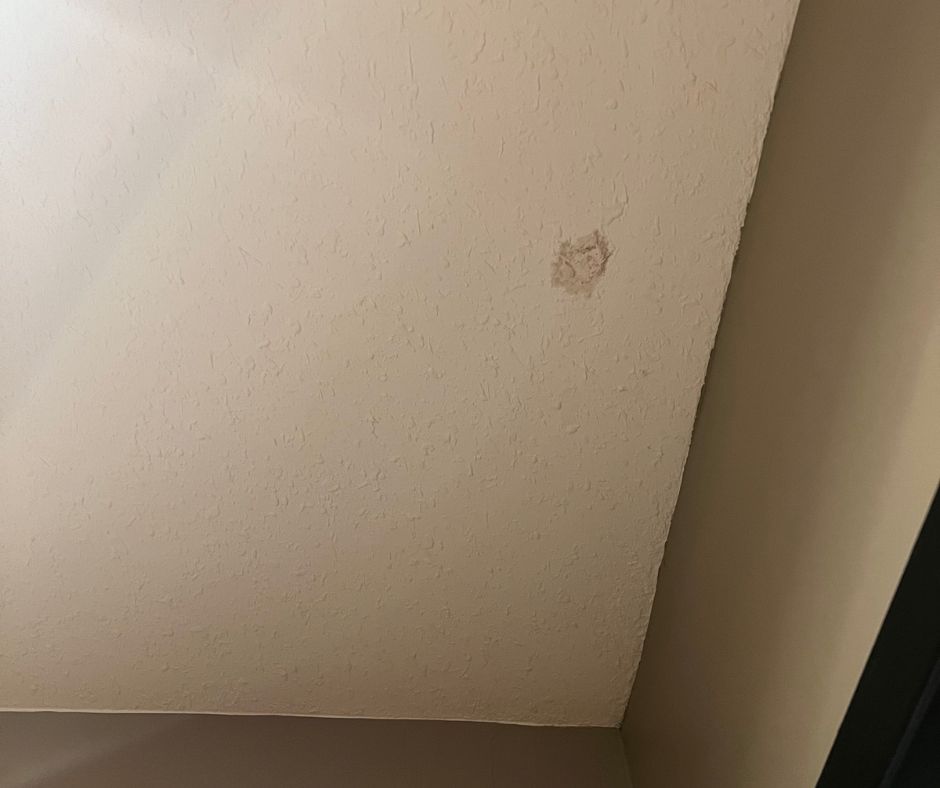
Water stains on your ceiling can be caused by numerous water damage events such as:
- a leaky pipe
- heavy rainfall
- attic frost melting
- or even ice dams
Determining the source of the water damage issue is what matters most for solving the problem.
Fill out the form and our Team will get back to you within 24 hours.
Fill up the form and our team will get back to you within 24 hours.


