


As temperatures drop across Saskatchewan, your home has to work harder to maintain a comfortable indoor enviornment. The shift from warm conditions to cool nights and a cold winter can reveal moisture and condensation problems that were less noticeable during the summer.
You may notice water collecting on windows, damp areas around exterior walls, a musty smell, or increasing humidity inside your home. While some condensation can be expected during cold weather, persistent moisture can contribute to material damage and mold growth.
got mold?™ can help identifiy moisture concerns, investigate potential sources, and determine whether further assessment or remediation may be needed.
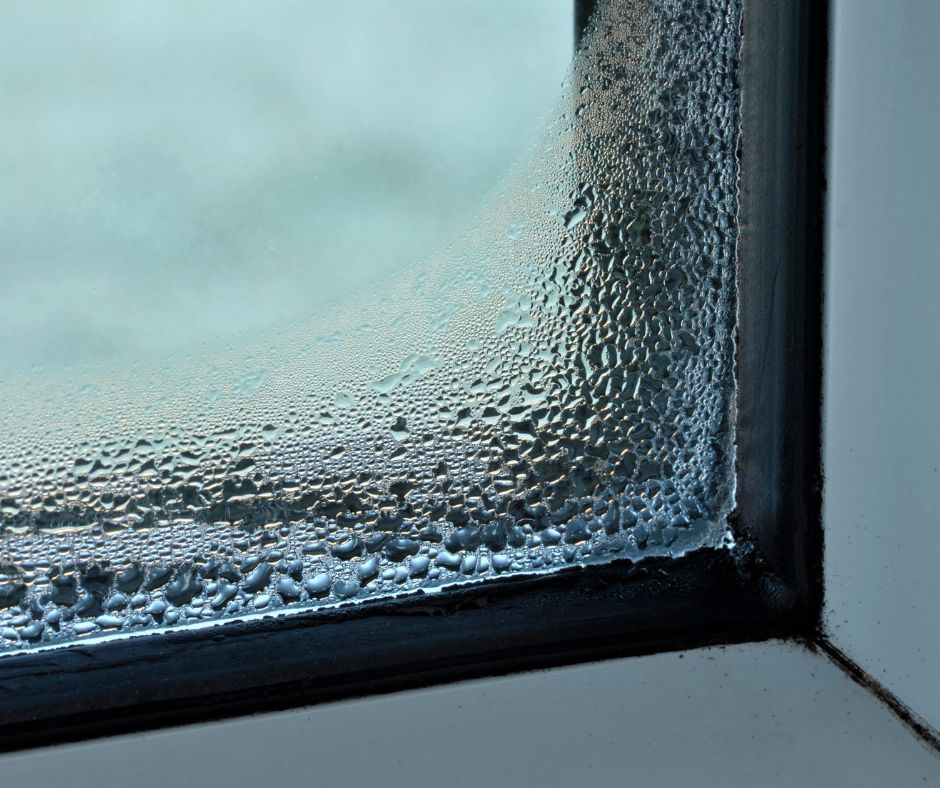
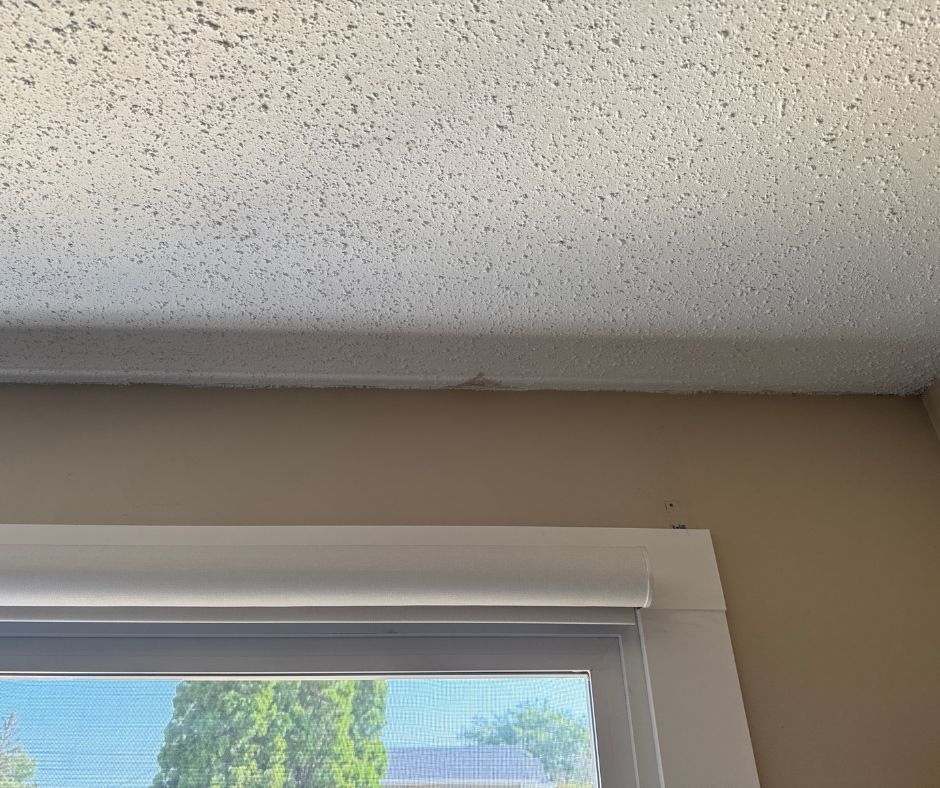
Warm indoor air contains moisture, and when that warm moist air comes into contact with colder surfaces, the moisture can condense into water. This is particularly noticeable around:
01
Windows and Exterior Doors
02
Cold Exterior Walls
03
Corners & Areas With Limited Air Circulation
04
Behind Furniture Against Exterior Walls
05
Attics & Roof Assemblies
06
Bathroom & Kitchens
07
Areas with Inadequate Insulation or Air Sealing
A home can appear perfectly dry while moisture is quietly accumulating in less visible areas. Click here to learn more about humidity and cold spots!

Finding and fixing sources of unhealthy indoor air for 17+ years
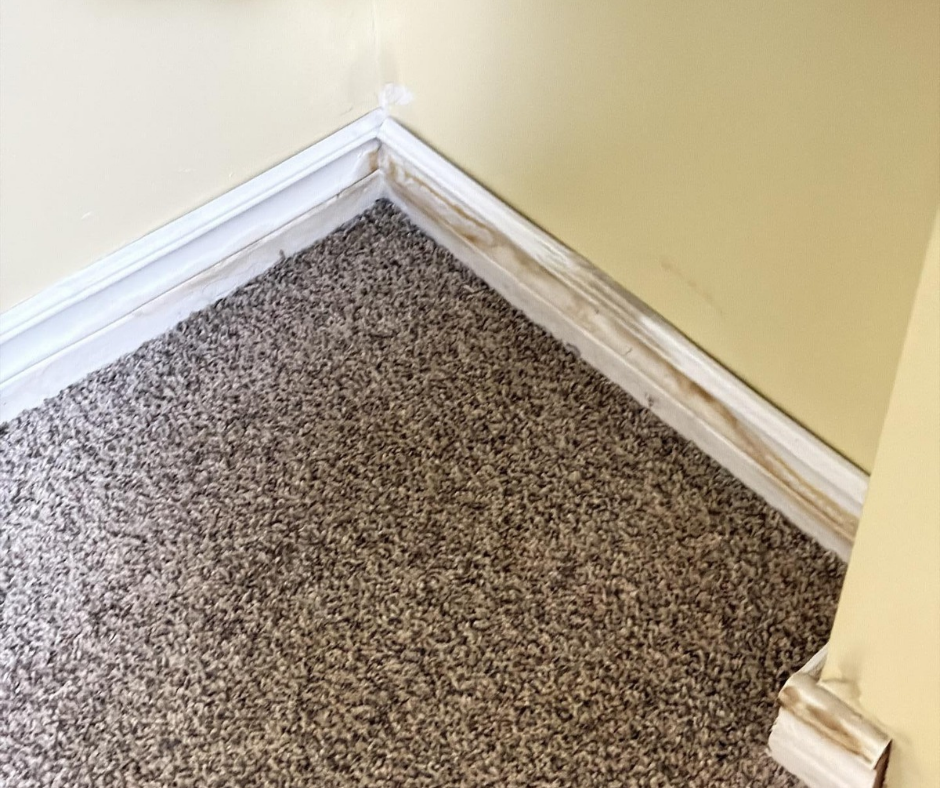
Recurring or excessive moisture shouldn't be ignored, particularly as we move towards colder weather. Watch your home for:
01
Condensation that lingers after showering or cooking
02
Damp ceilings or walls
03
Peeling paint
04
Discolouration around exhaust fans
05
Musty odours
06
Mold-like growth around windows, ceilings, or fixtures
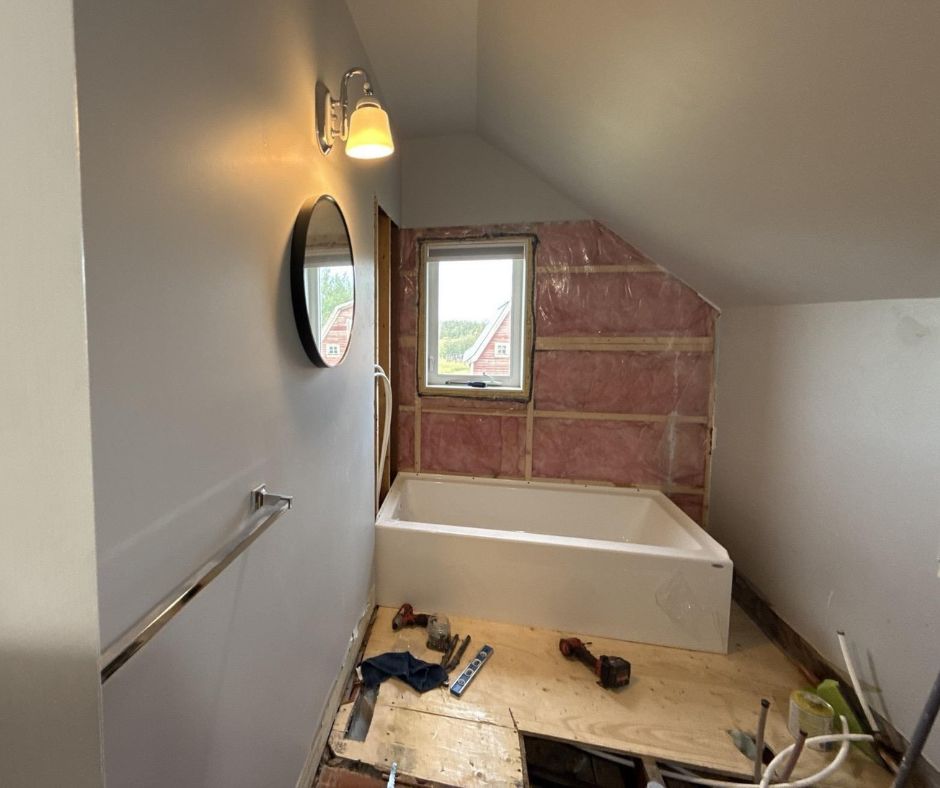
Long showers, baths, boiling water, cooking, dishwashing, and other every day acitivites can quickly increase indoor moisture levels.
Proper exhaust ventilation helps remove this moisture before it spreads throughout the home and leads to bigger problems.
If moisture is consistently lingering in these spaces, the issues may involve ventilation, humidity levels, bulding materials, or a combination of factors.
At got mold?™, we look beyond the visible symptoms to help identify potential moisture and indoor environment concerns.
Depending on the situation, an assessment may involve evaluating visible conditions, moisture concerns, areas of suspected mold growth, indoor air quality, ventilation, and other contributing factors.
Our goal is to help you understand what is happening, where the moisture may be coming from, and what steps may be needed next.
If mold or moisture damage is identified, we can help determine whether testing, remediation,or additional investigation is appropriate.
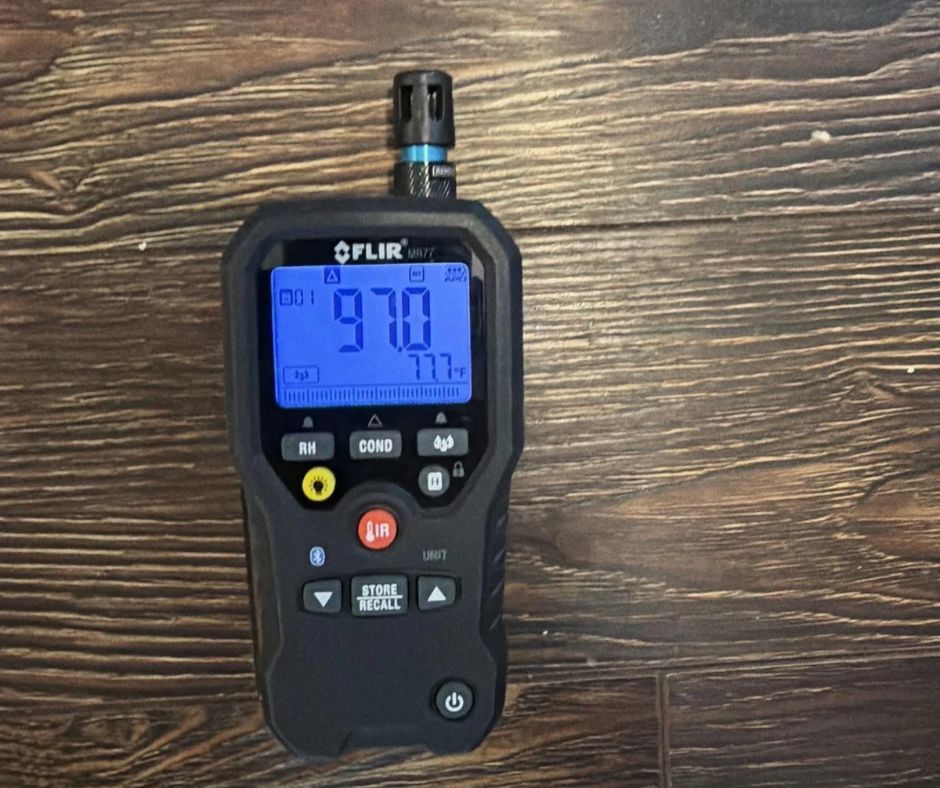
Fall brings cooler temperatures while your home remains warm. When warm, humid indoor air contacts colder surfaces, like windows, exterior walls, or other cold spots, moisture will condense into water.
Higher indoor humidity can make the problem more noticeable.
Yes! Persistent condensation can leave moisture buildup around window frames, sills, drywall, and surrounding materials. If these areas remain damp, they can create conditions that support mold growth.
The appropriate humidity levels can change throughout the year, depending on outdoor temperatures, insulation, and other characteristics of your home.
Ideally, you want to keep your humidity levels between 30-50% to keep the air not too dry or too humid. If you're experiencing frequent condensation issues, it may be a sign that your indoor humidity is too high.
Some early signs of mold growth may include a musty or earthy odour, small areas of discolouration or spotting on walls or other building materials, or recurring stains around areas that experience frequent moisture or condensation.
If mold keeps returning to these areas, it may indicate that there is a hidden or underlaying moisture issue that has not been resolved.
Yes, persistent attic moisture should be properly assessed. Warm, humid air entering a cold attic can lead to condensation issues, or frost as it gets colder, which may eventually affect insulation and other building materials.
A professional assessment can help determine whether humidity, ventilation, proper insulation, or another moisture source is contributing to the problem.
Fill out the form and our Team will get back to you within 24 hours.
Fill up the form and our team will get back to you within 24 hours.


.webp)
