Office open from 8:00AM to 4:30PM



You can't see radon. You can't smell it. But it could be inside your home.
Radon is a naturally occurring radioactive gas that can enter homes from the rock and soil beneath them. Because it is colourless, odourless, and tasteless, many homeowners have no idea what their radon levels are.
The one way to know if your home has elevated radon levels is to test.
At got mold?™, we provide radon testing and mitigation services across Saskatchewan and Western Canada. Whether you're testing your home for the first time, or have already received a high radon result, our expert team can help you under the problem and determine the next steps.
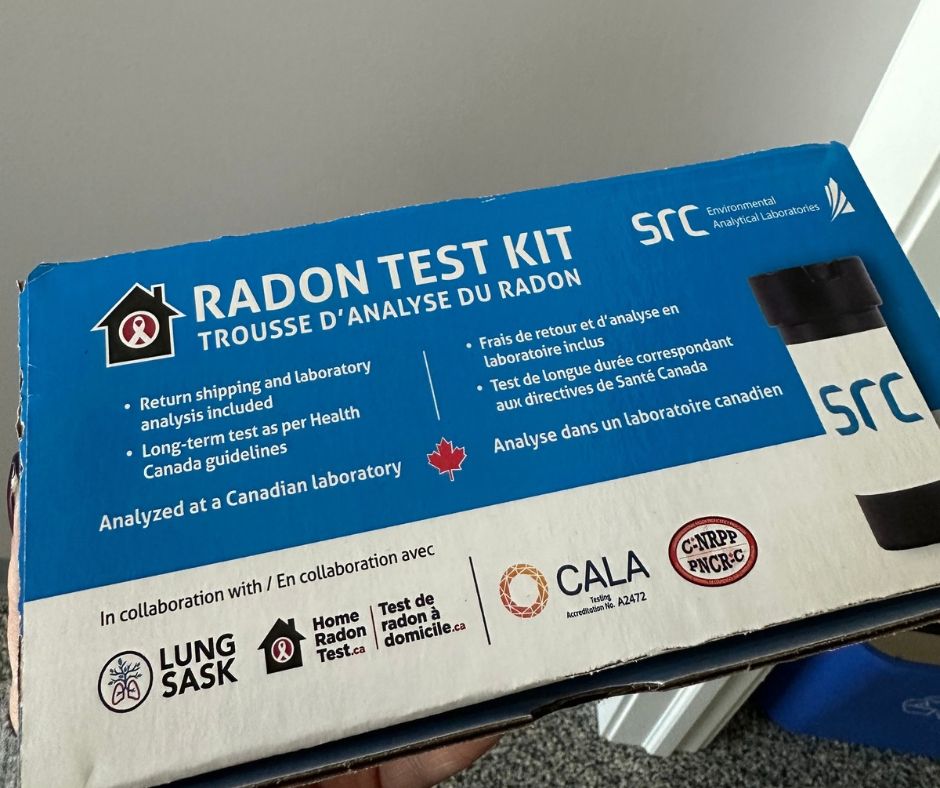
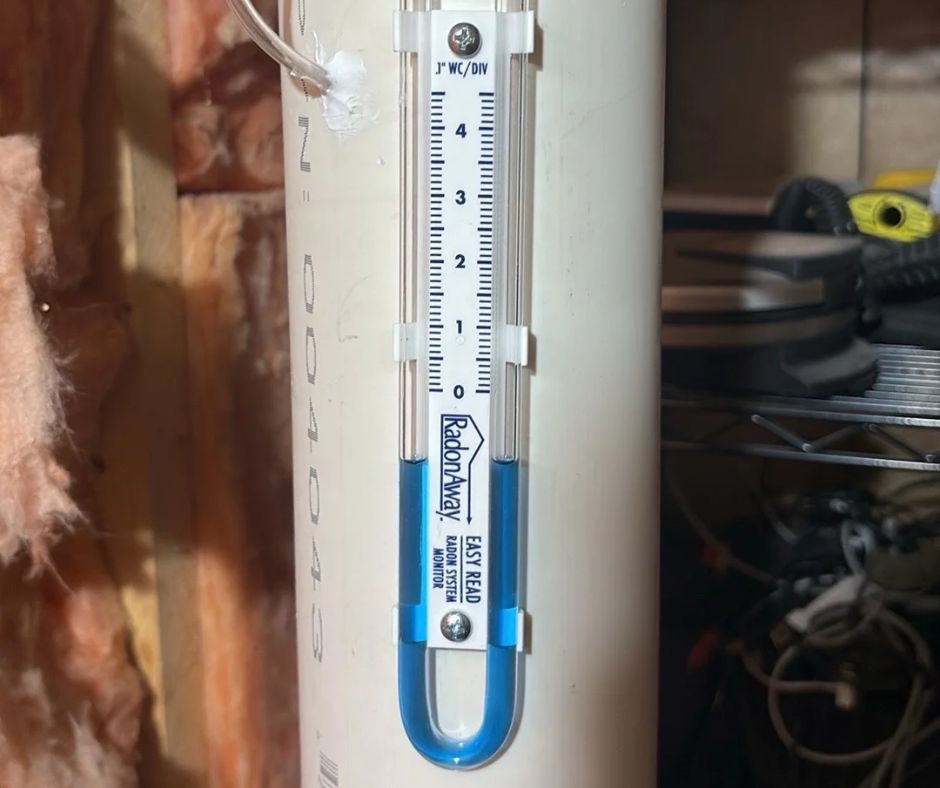
Radon doesn't come with obvious warning signs and homes with elevated levels can look completely normal. You may want to consider radon testing if:
01
You've never tested for radon before
02
You spend a lot of time in a basement
03
You're buying or selling a home
04
You've recently done renovations or changes to your foundation
05
You've recently installed or modified a heating/ventilation system
06
A previous test showed high radon levels
07
You live in Saskatchewan and simply don't know your home's radon levels
Even neighbouring homes can have very different radon concentrations. Testing is the only reliable way to know what is present in your home.

Finding and fixing sources of unhealthy indoor air for 17+ years
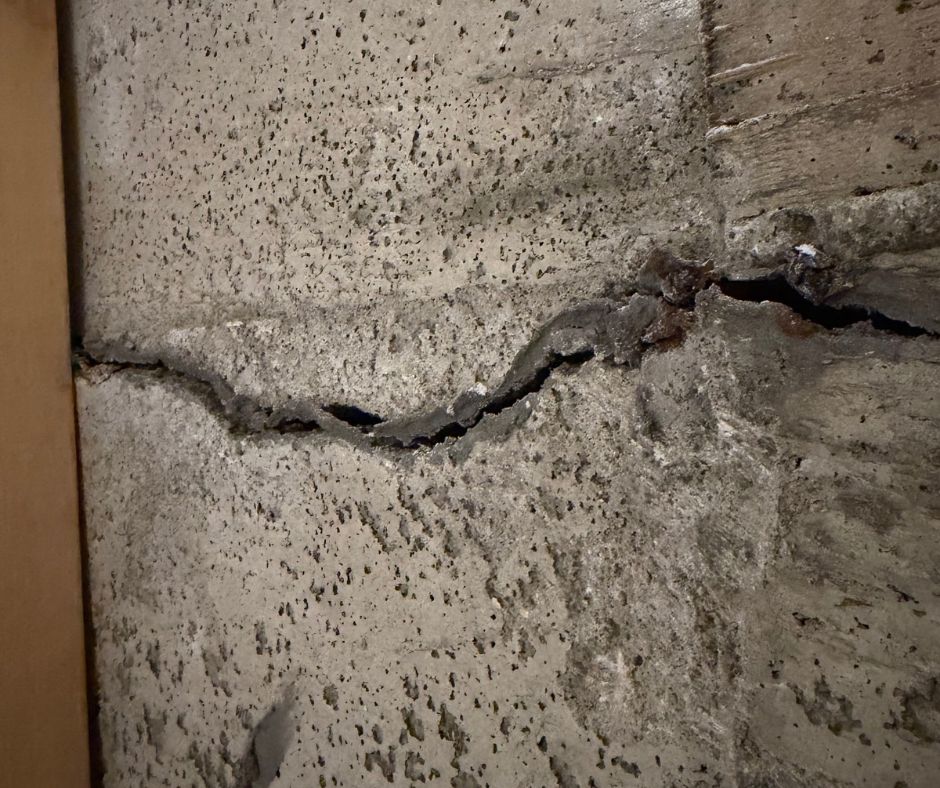
As radon gas is released from the ground, it can mve through the soil and enter buildings through openings and pathways in the foundation of the structure. Common entry points can include:
01
Cracks in foundation or floors
02
Gaps around pipes and utility penetrations
03
Floor drains
04
Sump pit
05
Construction joints
06
Crawlspaces
Air pressure differences between the inside of your home and the soil beneath it can also draw radon into the building. This means that any home can have an elevated radon problem.
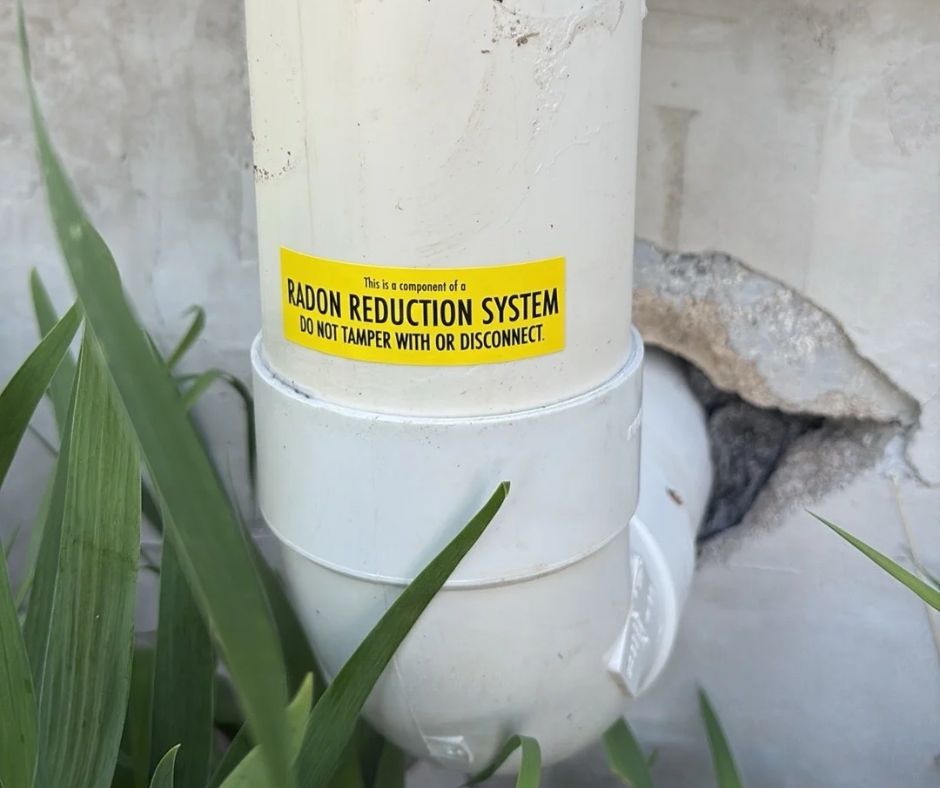
Long-term exposure to elevated radon levels can increase the risk of lung cancer. In fact, radon is one of the leading causes of lung cancer, especially in non-smokers.
Health Canada's guildines for radon levles in an indoor environment is 200 Bq/m³ based on long-term average concentrations in the lowest level in an area of a home. If your home's radon level is above the recommended guideline, action should be taken soon to reduce your exposure.
The good news? Elevated radon levels can often be significantly reduced.
A professional assessment can help determine how radon is entering your home and identify the most appropriate mitigation strategy for your property.

Every home is vastly different, even neighbouring homes. Foundation types, construction methods, soil conditions, ventilation, and potential entry points can all influence how radon enters and accumulates inside a building.
That's why our approach begins with understanding you specific situation.
If you don't know your home's radon level, testing is the first step.
Our team can help determine the appropriate location for testing and ensure your radon test is set up properly.
Long-term testing allows for radon levels to be measured over an extended period, providing a more represenatative picture of your home's average exposure. Once testing is complete, we'll help you understand what your results mean and whether further action may be recommended.
If testing reveals elevated radon levels, we can assess your property and discuss mitigation options.
Depending on your home's construction and the source of the problem, mitigation may involve strategies such as:
01
Active soil depressurization
02
Sealing potential radon entry points
03
Improving ventilation
04
Installing a radon mitigation system designed for your property
The goal with mitigation is to reduce the amount of radon entering and accumulating inside your home.
Post-mitigation testing can help verify that radon levels have been successfully reduced and that the system is performing as intended.
From initial testing to mitigation and follow-up testing, got mold?™ can help guide you through the process.
Radon is a odourless, tasteless, and colourless naturally occuring radioactive gas that is produced from the breakdown of uranium or thorium in soil and rocks.
Long-term testing is ideally completed during the colder season, when home are more often closed for longer periods to keep in the heat.
Having windows and doors shut during fall and winter allows for more accurate radon testing results, since fluctuations are more likely to occur when air from outside enters the living area.
Yes. Radon occurs naturally throughout Canada, especially in Saskatchewan and Alberta due to the ground containing a lot of natural uranium, the local weather, and homes being designed to keep warm air inside during the colder months.
Levels can vary considerably between homes, so geographic location alone cannot tell you whether a particular homes has elevated radon.
Health Canada recommends a long-term test of at least 91 days (3-months), with testing happening during the fall or winter to provide a more representative measurement of average annual exposure.
Radon is an indoor environmental concern, but solving a radon problem isn't simply about installing a pipe and fan. Our teams looks at the bigger picture.
Our approach can help you:
- Understand your home's radon levels
- Identify potential radon entry points
- Interpret your test results
- Determine whether mitigation is recommended and which mitigation strategy is most appropriate
- Verify radon levels following mitigation
Our goal is simple: help you understad what's happening inside your home and give you a practical path forward.
The Canadian radon guideline is 200 Bq/m³ for the long-term average concentration in normally occupied areas. Health Canada recommends corrective action when the average annual radon level exceeds this guideline.
Yes, you should test your home, even if it was recently built as new homes can also have elevated radon levels.
The age or appearance of a home does not determine whether radon is present. Testing is the only way to know your homes radon concentration.
Yes! Mitigation techniques such as active soil depressurization, sealing potential radon entry routes, and appropriate ventilation strategies can reduce indoor radon levels effectively. The appropriate approach depends on the individual building.
A result near the guideline deserves attention because radon concentrations naturally fluctuate over the year, and test measurements can have some uncertainty. Health Canada recommends considerig the long-term average and taking steps to reduce exposure as much as possible.
Fill out the form and our Team will get back to you within 24 hours.
Fill up the form and our team will get back to you within 24 hours.


